Opportunities and Challenges of Alternative Protein Production (AP) through Algae and Insects for Agricultural Enterprises, INAPROLA
Funded by the German Federal Environmental Foundation (Deutsche Bundesstiftung Umwelt, DBU)
Project Duration: April 2026 – March 2029
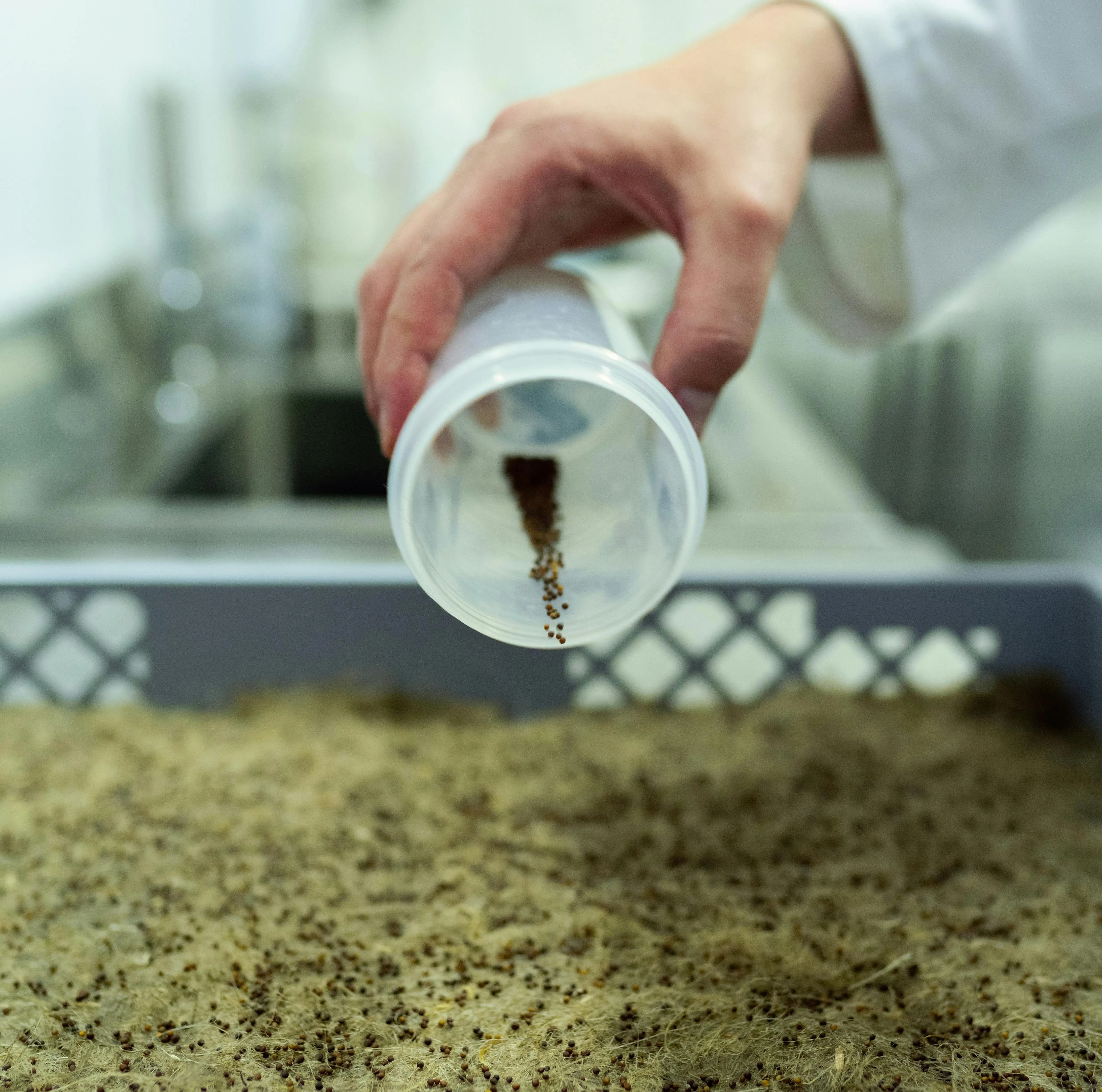
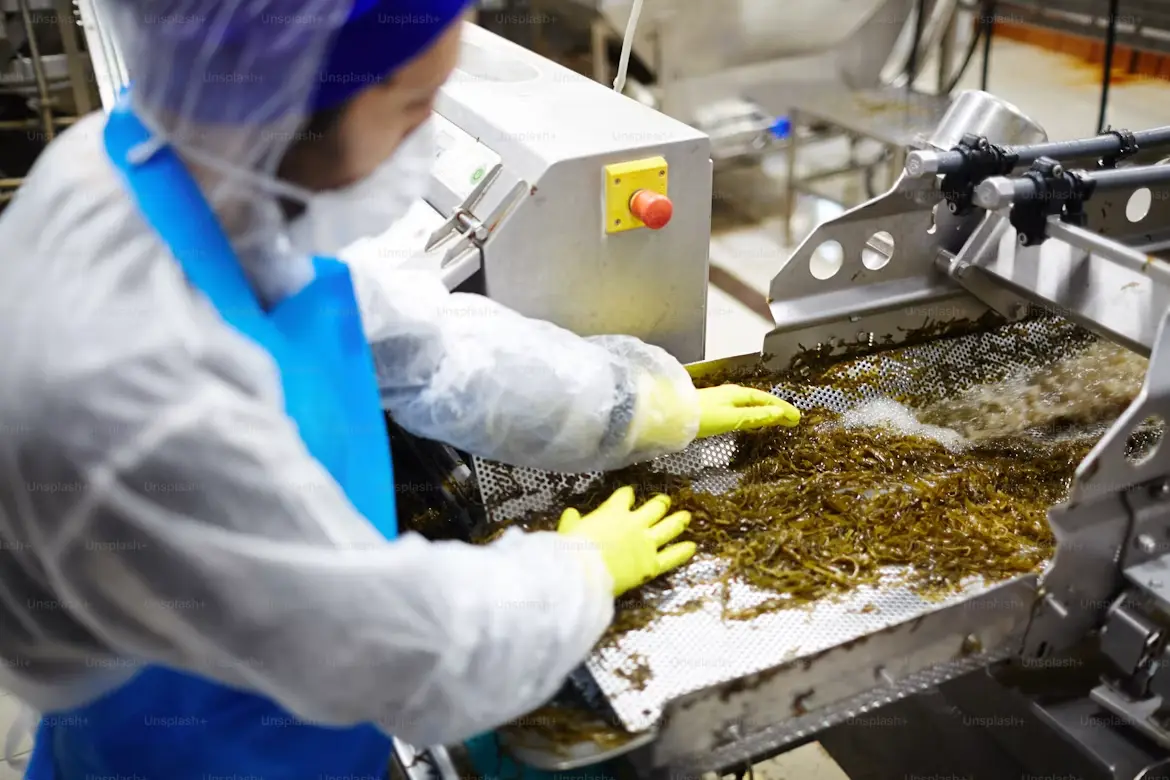
How can agriculture contribute more sustainably to the future supply of protein? This question lies at the heart of the research project “Opportunities and Challenges of Alternative Protein Production (AP) through Algae and Insects for Agricultural Enterprises” (INAPROLA). The project is funded by the German Federal Environmental Foundation (DBU). Led by researchers from the Otto-Friedrich-University of Bamberg and the Osnabrück University of Applied Sciences, the project is exploring innovative approaches to protein production that focus on algae and insect farming within existing agricultural structures in Germany.
Algae and insects offer a wide range of applications in food production. They can be used as food for humans and as livestock feed, creating new opportunities for agricultural businesses. However, these emerging production systems also present specific challenges, including technological requirements, specialized expertise, marketing strategies and public acceptance. This is where INAPROLA contributes new insights.
Bringing together expertise in European Ethnology (Prof. Wittmann/Bamberg) and Agricultural Communication (Prof. Kussin/Osnabrück), the project will investigate the motivations behind the adoption of these innovative forms of protein production, as well as the everyday work practices involved. It will also examine approaches to managing financial risks and the acquisition and transfer of knowledge within a production sector that is still largely unfamiliar to agriculture and therefore not yet part of standard agricultural training and education.
The project aims to generate comprehensive knowledge of the opportunities, challenges and conditions for successfully adopting alternative protein production, and to translate these findings into practical resources for the agricultural sector. To this end, INAPROLA is taking a three-stage approach:
• Firstly, pioneering farms that are already involved in producing algae and insects will be connected through a dedicated network. Their experiences will then be systematically documented and analysed through qualitative research (ethnographic fieldwork, interview studies) and workshops.
• Secondly, these findings will be supplemented by a nationwide online survey. This survey will aim to identify the key factors that influence the knowledge, perceptions and attitudes of the agricultural community towards alternative protein production.
• Thirdly, the results will be transferred back into practice. One example of this is the joint development of information and educational materials with the participating farms.
A central focus of the project is the exchange between research and practice. The experiential knowledge of innovative farms will be documented and shared, making it accessible to other farmers and future agricultural professionals. In this way, INAPROLA supports the development of new agricultural business models, improves understanding of associated risks and promotes the dissemination of successful approaches.
By fostering innovation and knowledge exchange, the project strengthens the agricultural sector and advances a more sustainable and resilient protein supply for the future.
Contact: Marc Bubeck (Research Associate): marc.bubeck(at)uni-bamberg.de
Further Information: https://www.dbu.de/projektdatenbank/39186-01/ (in German)